
The Inflation Headline Needs a Paycheck Test
Updated: 2 days ago
A bigger paycheck can buy less. A higher hourly rate can also arrive with a smaller weekly paycheck. Those are different problems, and a useful affordability claim should say which one it is describing.
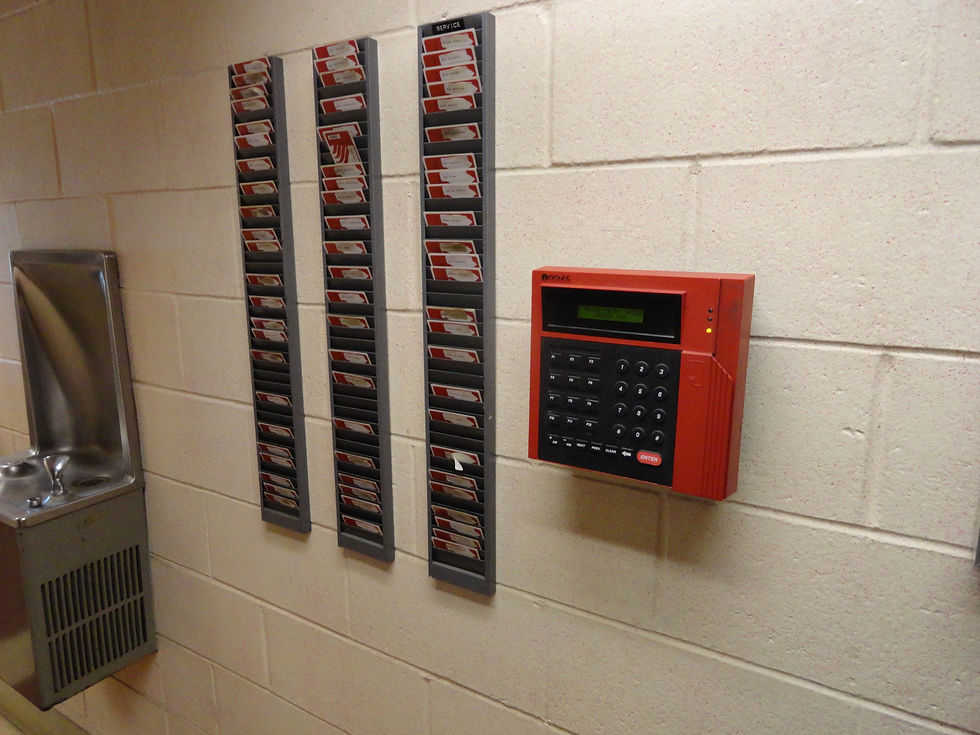
A computerized workplace time clock photographed July 14, 2011. Archival illustration of recording hours worked, not evidence of current wages. Photo: Kevin Rutherford (Ktr101). Image unmodified. Photo source · CC BY-SA 4.0
Nominal and Real Earnings
Nominal earnings describe the dollar amount. Real earnings adjust earnings for price changes. BLS uses CPI-U for its all-employee series and CPI-W for production and nonsupervisory employees. Those populations and price measures should not be mixed casually. Read the BLS technical note.
Before drawing a conclusion, record the worker group, earnings measure, price index and comparison period.
Hours Can Change the Story
Here is a hypothetical example, not a current labor-market estimate. A worker earns $20 an hour for 40 hours, or $800 before deductions. Later, the rate is $21 but the schedule is 35 hours, producing $735.
The hourly rate rose. Weekly gross pay fell. Both statements are true before making any adjustment for inflation.
That example does not prove what happened to a national workforce. It shows why the choice between hourly and weekly earnings matters.

An Average Is Not a Household Budget
A national average combines people with different jobs, schedules and expenses. Your household may face a cost mix that differs from the index used to adjust the series.
An aggregate can be informative without describing every person's experience. One household's hardship also cannot, by itself, establish the direction of the national series.
Ask for a Complete Affordability Claim
“What happened to purchasing power, for whom, over which period?” is more useful than “Did wages go up?”
Compare like with like. Keep the time periods aligned. Identify whether the argument concerns hourly purchasing power, weekly income or a particular household's costs. This guide does not claim a result from an unreleased earnings report.
Statistics & Data Literacy
This article covers one part of a larger TVN reading method. For the full framework on categories, denominators, baselines, timeframes, rates, and chart framing, read How to Read Political Statistics: Baselines, Denominators, Rates and Timeframes.
The Receipts
The sources below are the records this article relies on. Open them directly and check what they establish for yourself.
Official methodology / primary reference
BLS Real Earnings Technical Note
Open the record ↗ (opens in a new tab)


Comments