
What an Injunction Does and What It Leaves Undecided
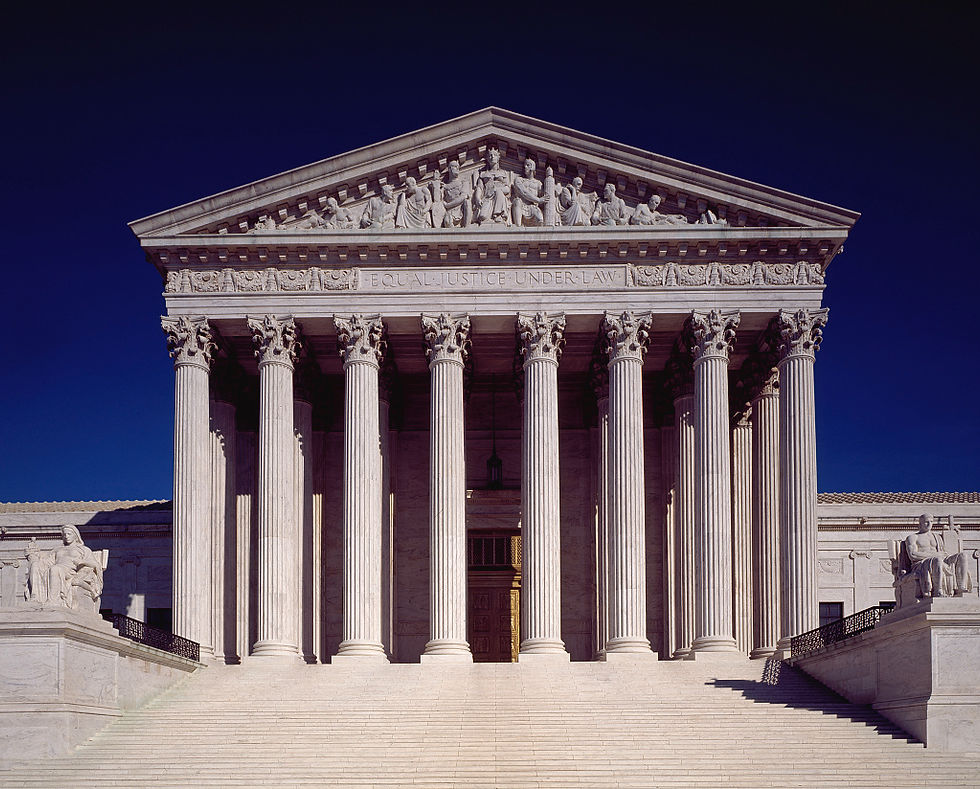
A court blocks a policy. The immediate consequences can be enormous. But the word “blocks” leaves out the information needed to understand the decision: who must do what, for how long, and on what legal basis.
This guide concerns U.S. federal civil cases. It builds on TVN’s court-story reading guide by focusing on the actual command in an injunction.
Three Stages, Different Questions
An injunction directs someone to take or stop a specified action. A temporary restraining order addresses an urgent situation for a short period. A preliminary injunction can govern conduct while the litigation continues. Permanent relief follows a determination on the merits, but winning a legal claim does not automatically entitle a party to every remedy requested.
Those labels identify different stages. They do not measure how consequential the order is. Temporary relief can change what happens immediately even while important questions remain open.
Read the Command
Federal Rule of Civil Procedure 65 requires an injunction to state its reasons, specify its terms and describe the restrained or required acts in reasonable detail. Its binding effect includes parties and specified people connected to them who receive actual notice.
Notice and timing matter too. A preliminary injunction requires notice to the adverse party. A temporary restraining order without notice requires particular showings; Rule 65 generally limits it to 14 days, subject to the rule’s extension provisions. Do not apply that deadline to every kind of injunction.
A Historical Example: Winter
In Winter v. Natural Resources Defense Council, decided November 12, 2008, the Supreme Court reviewed restrictions on the Navy’s sonar training off Southern California. The challenged provisions concerned a 2,200-yard shutdown zone and reduced sonar power during certain ocean conditions.
The Court set out four preliminary-injunction factors: likely success on the merits, likely irreparable harm without relief, the balance of equities and the public interest. It rejected mere possibility of irreparable harm as sufficient.
The Court vacated the challenged portions, emphasizing the balance of equities and public interest. It expressly did not decide the underlying merits of the plaintiffs’ claims. It also explained that an injunction does not automatically follow from success on the merits.
That distinction is the reading exercise. Record the particular restrictions under review, the relief changed and the questions left unresolved. Saying simply that the Navy “won” tells readers less than identifying the two provisions and the Court’s reasoning. This is a historical example, not an account of current Navy operations.
Turn the Order Into a Usable Summary
Use a short ledger before writing the headline. Fill each field from the record, and leave a question mark where the source does not answer it.
Document: Which court, case, date and docket entry are you reading?
Command: What exactly must stop, begin or change? Copy the operative passage into your notes, including its exceptions.
Scope: Who is bound, and which conduct, places or circumstances does the order cover?
Timing: When does it take effect, and what ends or changes it?
Reasoning: What did the court find at this stage? Which conclusions are provisional?
Remaining questions: What claims or remedies were not decided?
Current status: Is there a later order, stay, modification or appellate decision? Keep the date of your check beside the answer.
Follow the Record Forward
For a current story, the original order is only the starting document. Check the docket and later decisions before describing what applies today. Federal court records can be accessed through PACER or the relevant clerk’s office.
A useful court summary lets the reader identify the immediate consequence and the unresolved question in separate sentences. Try writing both before deciding whether a headline has captured the ruling.
Read next
Broaden the court-reading exercise with four questions about authority, evidence, process and consequences.


Comments