top of page

RECEIPT FILE · RF-006

Active review

Government & Accountability

Garland Memo and FBI Guardian Assessments

Follow the record behind the story.

6 receiptsLast verified Oct 5, 2026
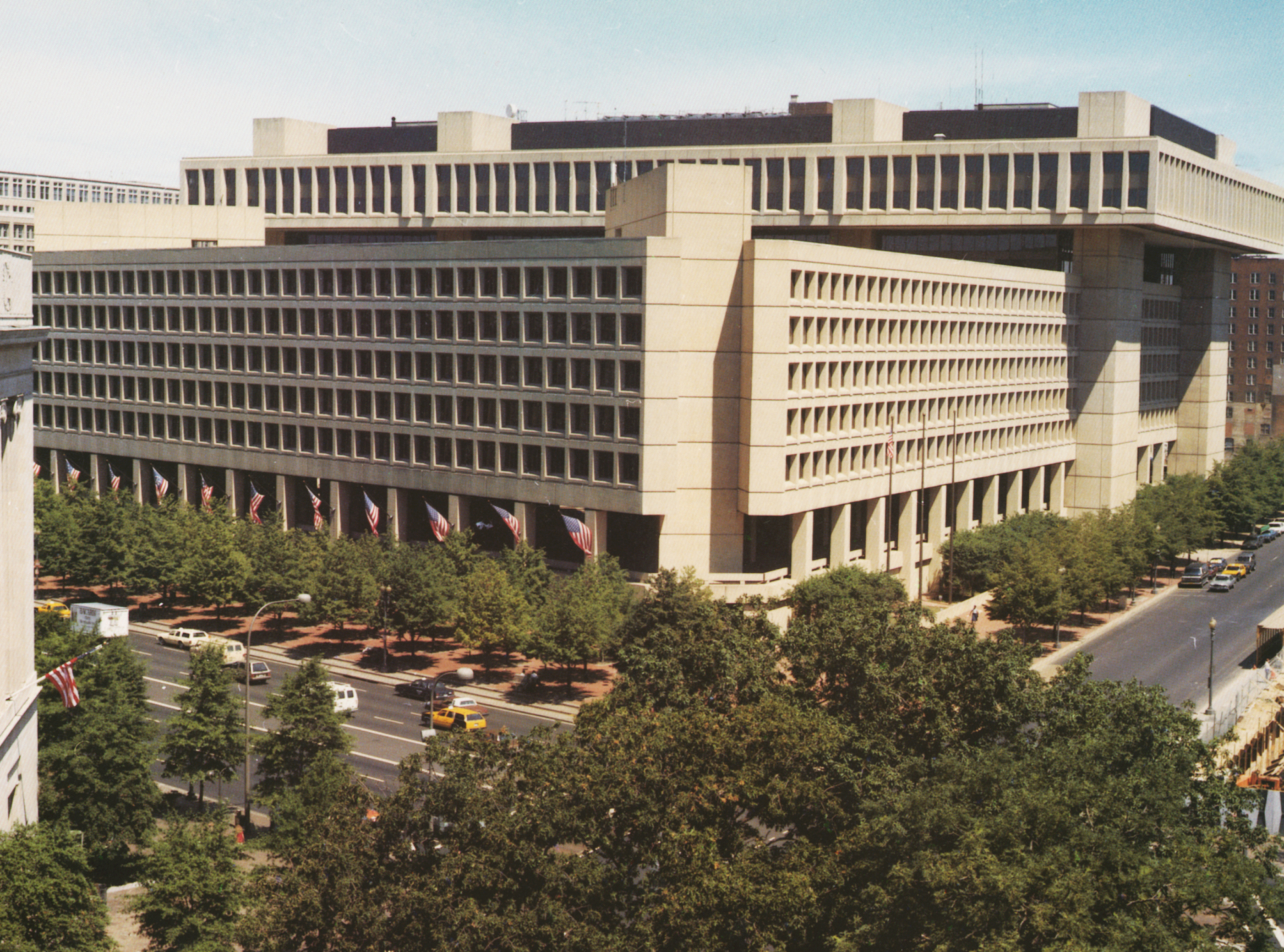
J. Edgar Hoover Building, FBI headquarters in Washington, D.C.
Context: FBI headquarters. Public domain.

The Question

What did the 2021 Garland memorandum authorize, what does the 2026 DOJ review say happened afterward, and which alleged constitutional violations still require individual proof?

Current Status

The 2026 report is an official executive-branch review, not a judicial ruling. DOJ says it will let affected people review associated Guardian assessments, add disclaimers and review files to determine whether constitutional rights were violated.

What Is Established

The October 4, 2021 Garland memorandum expressly protected spirited policy debate while directing FBI/U.S. Attorney coordination around threats and intimidation. The 2026 DOJ review says 25 FBI Guardian assessments were associated with the initiative, documents internal objections and says it is unaware of DOJ prosecutions arising from those investigations.

What Remains Open

The individual Guardian records, any case-specific DOJ findings of constitutional violations, formal apologies or remedial controls, and any judicial findings remain the key unresolved records.

Evidence Chain

Primary records in chronological order

  1. Receipt 01

    Sep 29, 2021 · National School Boards Association

    Originating outside-government letter

    National School Boards Association letter to President Biden

    What it establishes

    The NSBA requested federal assistance regarding threats and intimidation directed at school officials and asked the administration to consider whether some conduct could implicate domestic-terrorism or hate-crime authorities.

    What it does not establish

    The letter is an advocacy request by a private association. It is not evidence that every example it described was criminal or that federal intervention was legally required.

    What changed

    Provides the immediate external request the 2026 DOJ review treats as part of the Garland memo’s origin.

  2. Receipt 02

    Oct 4, 2021 · U.S. Department of Justice — Office of the Attorney General

    Attorney General directive

    Attorney General Garland memorandum on threats against school officials

    What it establishes

    The memo says spirited policy debate is constitutionally protected, distinguishes that from threats and intimidation, and directs FBI/U.S. Attorney coordination for threat reporting, assessment and response.

    What it does not establish

    The memo’s text does not reveal the factual basis or legal sufficiency of any later Guardian assessment and does not establish how every field office implemented the directive.

    What changed

    Created the federal coordination framework later reviewed by the 2026 Weaponization Working Group.

  3. Receipt 03

    Oct 4, 2021 · U.S. Department of Justice — Office of Public Affairs

    Contemporaneous official statement

    DOJ public announcement of Garland directive

    What it establishes

    Documents DOJ’s contemporaneous public description of the directive as a response to threats against school officials and teachers and describes planned coordination with law enforcement partners.

    What it does not establish

    A press release describes the Department’s stated purpose; it does not establish how later assessments were actually predicated or conducted.

    What changed

    Provides the public-facing baseline against which later implementation records can be compared.

  4. Receipt 04

    Oct 5, 2026 · U.S. Department of Justice — Weaponization Working Group

    Current DOJ investigative review

    The 2026 Report to Expose the Weaponization of Government Against Parents in Schools

    What it establishes

    The current DOJ review says 25 Guardian assessments were associated with the initiative: six through Counterterrorism, seventeen through Criminal Investigations and two through the Weapons of Mass Destruction Directorate; one was expanded to Full Investigation status. The Working Group says it is unaware of DOJ prosecutions arising from those investigations.

    What it does not establish

    This is the current administration’s investigative review and conclusions. It is not a judicial opinion and does not establish that every assessment or investigative step violated constitutional rights.

    What changed

    Adds the current Department’s evidence review, findings and proposed remedial framework to the public record.

  5. Receipt 05

    Oct 5, 2026 · U.S. Department of Justice / Federal Bureau of Investigation

    Internal communications / supporting records

    Internal DOJ and FBI communications reproduced in Appendix G

    What it establishes

    Documents internal communications cited by the Working Group showing legal, First Amendment, federalism and political concerns among some DOJ/FBI personnel about the initiative and its implementation.

    What it does not establish

    Internal criticism demonstrates disagreement and concern. It does not itself adjudicate the legality of the memo or of any particular Guardian assessment.

    What changed

    Shows that significant concerns existed inside the Department while the initiative was being developed and implemented.

  6. Receipt 06

    Oct 5, 2026 · U.S. Department of Justice

    Official remedial announcement

    DOJ remedial steps announced with 2026 review

    What it establishes

    DOJ says affected people will be offered access to associated Guardian assessments, disclaimers will be added, files will be reviewed for constitutional violations, apologies will issue where violations are found and internal controls may be adopted.

    What it does not establish

    Announced remedial steps are commitments, not proof that every promised review or remedy has been completed or that a constitutional violation has already been found in each case.

    What changed

    Moves the matter from retrospective review into a case-by-case remediation and implementation stage.

What Happens Next

Release or review of individual Guardian assessments; formal DOJ finding that rights were violated; apology or remedial-control record; congressional or judicial action materially changing the evidentiary record.

Related TVN Explainer

Garland School-Board Memo: What the 2026 DOJ Review Found and What It Does Not Prove

Read the full analysis →

HELP STRENGTHEN THE RECORD

Found a factual error, missing source, or stronger evidence?

Send the article link and supporting material. Substantive corrections are dated and explained.

Send a Correction →

Beyond the headline.

Weekly: one story, the receipts, the missing context, and what to watch next. Get Beyond the Headline in your inbox.

bottom of page