
A Petition Is Not an Agency Decision
A real petition can matter without changing the law. Learn how to separate requests, comment periods, proposals, final agency action and implementation.
Read article →
Truth vs Narrative
GUIDES & EXPLAINERS
Clear, practical guides to how government works, what the data shows, how the legal system operates, and how narratives take shape.
Follow the evidence. Build context. Think for yourself.
Four paths to deeper understanding.
Civic & Government
A real petition can matter without changing the law. Learn how to separate requests, comment periods, proposals, final agency action and implementation.
Read article →
Authorization, appropriation, obligation, outlay and policy delivery are different stages. A large announced number does not tell you which stage occurred.
Read article →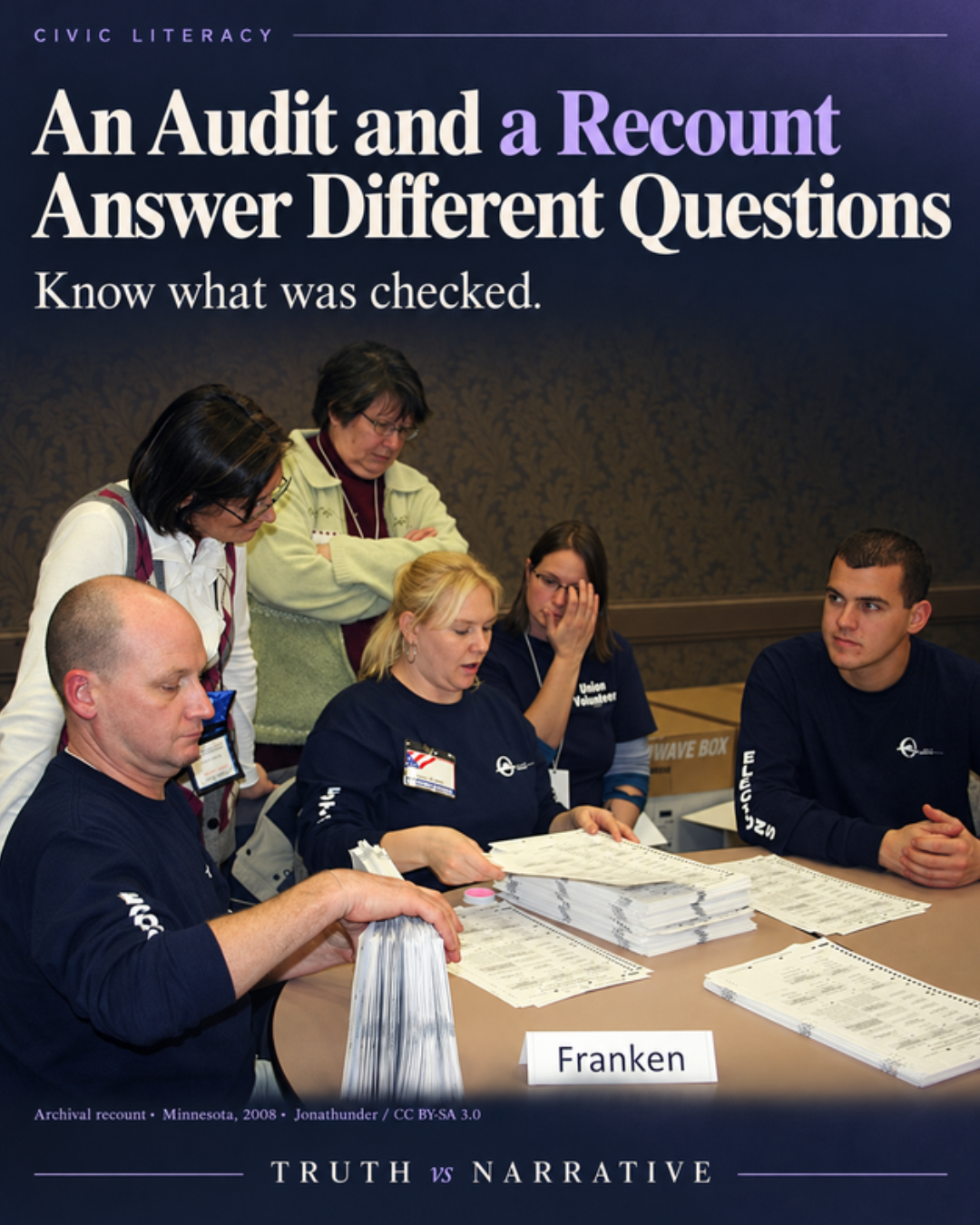
An audit, recount and hand count can answer different questions. Learn how to identify the procedure, scope, discrepancies and what the result actually supports.
Read article →Courts & Legal Process

Read an injunction’s actual command: who is bound, what changes, how long it lasts and which legal questions remain undecided.
Read article →
Before deciding what a court story means, identify the document behind it. A party's filing and a judge's decision have different roles. The headline should tell readers whose statement they are reading and what question was addressed.
Read article →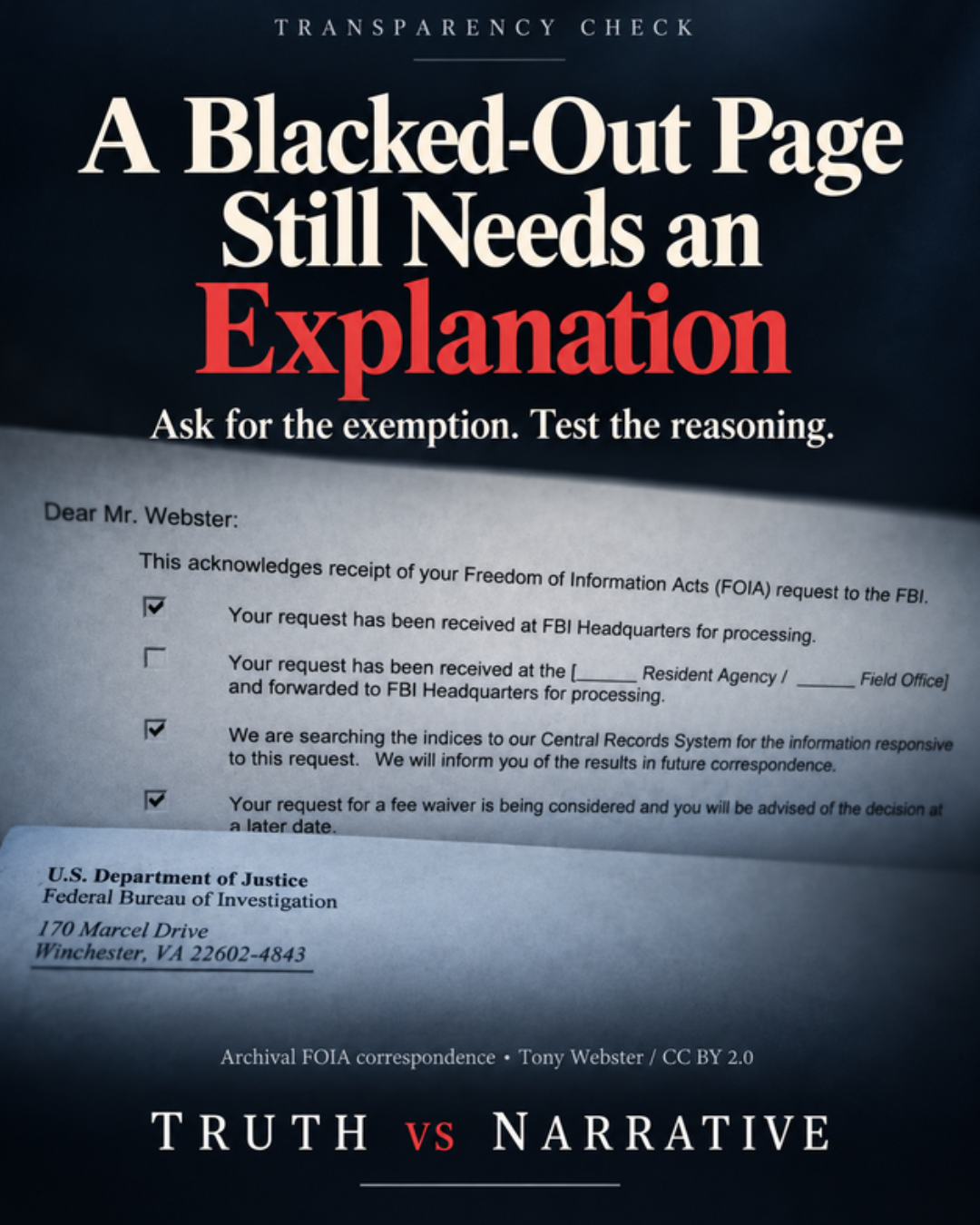
A black bar tells you that information is missing. It does not tell you what the missing words say. Serious scrutiny starts with the agency's explanation for withholding them.
Read article →Data & Economic Literacy

A practical TVN guide to reading political statistics: define the unit, check the denominator and baseline, compare the same timeframe, separate counts from rates, and read charts in context.
Read article →
A percentage describes a relationship between quantities. Without knowing what is being counted and what it is divided by, readers cannot tell whether two numbers describe the same thing.
Read article →
Why a jobs headline needs a denominator and a wider view.
Read article →Media & Evidence Literacy

A receipt is evidence a reader can inspect and connect to a specific claim. Its strength depends on what it establishes, how it was produced, and whether the conclusion stays within its limits.
Read article →
A screenshot can be authentic and still mislead if the crop removes a date, qualifier, scale, reply, or document status. Use TVN’s crop test to recover the full record before deciding what it proves.
Read article →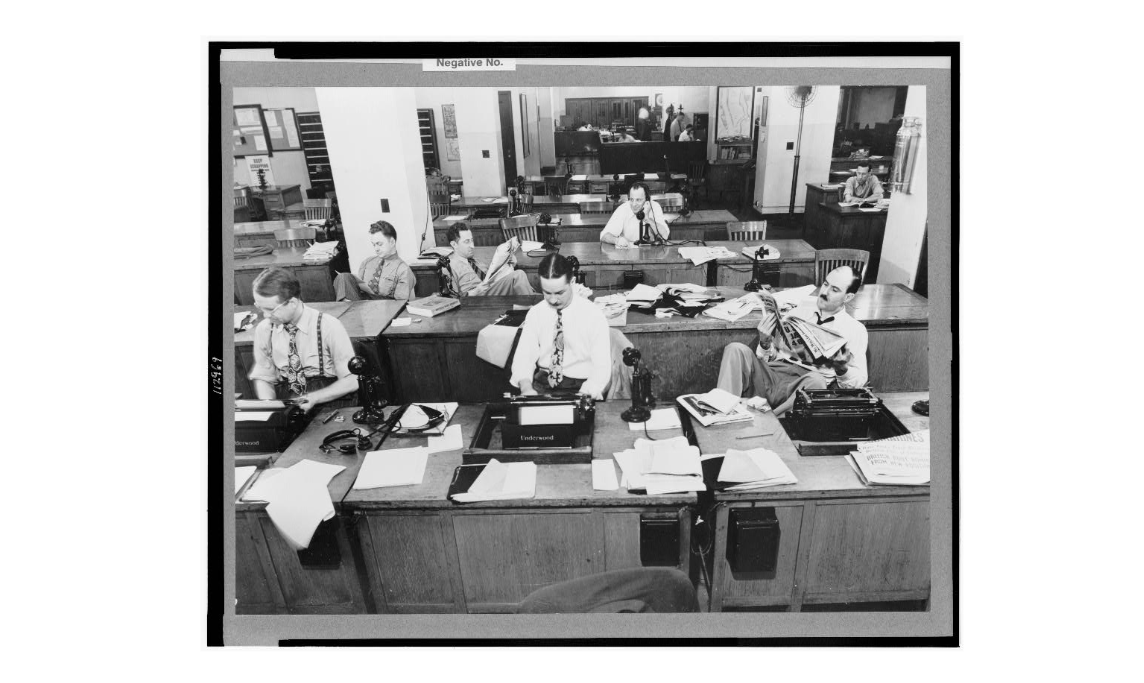
Three headlines can still trace back to one evidence trail. Learn how to separate repetition from independent corroboration and test the original source.
Read article →Explore original documents, measurements and legal proceedings in TVN’s research files.

Weekly: one story, the receipts, the missing context, and what to watch next. Get Beyond the Headline in your inbox.