
What Is DOGE, and What Authority Does It Actually Have?

DOGE became one of the most visible efforts of President Donald Trump's second term to reorganize the federal government. But the name, the executive orders, the individual agencies carrying out changes, and the claimed savings are not interchangeable.
Understanding DOGE starts with the legal structure, not the branding.
What created DOGE?

On January 20, 2025, Executive Order 14158 renamed the existing United States Digital Service as the United States DOGE Service (USDS), located within the Executive Office of the President.
The order also established a U.S. DOGE Service Temporary Organization under 5 U.S.C. § 3161, dedicated to an 18-month agenda and scheduled to terminate July 4, 2026. That sunset did not, by itself, terminate every other provision or USDS authority in the order.
DOGE was therefore not created as a new Cabinet department by an act of Congress. Its name includes the word “Department,” but its formal structure is different.
[Read Executive Order 14158](https://www.whitehouse.gov/presidential-actions/2025/01/establishing-and-implementing-the-presidents-department-of-government-efficiency/).
What did DOGE actually do?

The original order directed federal agency heads, in consultation with USDS, to establish DOGE Teams, typically including a team lead, engineer, human resources specialist and lawyer.
Those teams were expected to help implement the president's efficiency agenda across agencies.
The order also launched a federal technology modernization initiative focused on software, interoperability, data integrity and agency systems. It called for USDS access to unclassified agency records and technology systems, while requiring data protection standards and compliance with law.
Subsequent executive actions extended the agenda to workforce optimization, reviews of contracts and grants, and regulatory reforms.
Those orders show what the administration directed agencies to pursue. They do not, standing alone, prove that every proposed cancellation, personnel action or claimed saving was implemented.
What authority belonged to DOGE, and what remained with agencies?

This is a central distinction.
An executive order can coordinate executive-branch activity within existing law. It cannot automatically repeal statutory obligations, create unlimited spending authority or erase the powers Congress assigned to departments and agency heads.
Executive Order 14158 expressly stated that it did not impair authority vested by law in federal departments, agencies or their heads, or the Office of Management and Budget's statutory responsibilities.
So when a contract ended, a staffing decision was implemented or a grant changed, the record should identify the legally responsible agency, the applicable authority and the actual administrative action.
DOGE participation, presidential direction and agency execution are related, but not identical.
How should DOGE's savings claims be evaluated?

A headline savings figure is a claim that requires a method.
The public needs to know whether the figure represents:
• An announced or proposed cancellation.
• The maximum value of a contract rather than money that would actually have been spent.
• A future spending reduction, a canceled obligation or cash already disbursed.
• Savings offset by transition expenses, termination fees or replacement contracts.
• Gross estimates or net savings over a stated period.
A canceled ceiling on an indefinite-delivery contract is not automatically equivalent to an equal reduction in federal outlays. Likewise, an agency's spending reduction isn't necessarily evidence of improved service quality.
A credible review should link individual claims to contract records, agency financial data, Treasury outlays, GAO assessments or inspector-general findings. When figures are not independently reconciled, they should be labeled as administration-reported estimates.
What about staff reductions and service delivery?

DOGE's workforce agenda included the February 11, 2025 executive order calling for agency workforce plans and a general one-for-four replacement hiring approach, subject to exceptions.
Evaluating results requires more than a headcount. Useful measures include actual workforce changes, personnel costs, service delays, processing times, technology availability, legal compliance and the long-term ability to deliver statutory services.
Reducing an expenditure and achieving a net public benefit are overlapping questions, not synonyms.
What legal accountability applies?

DOGE's structure has generated questions about government records, privacy, access to agency systems, congressional oversight and the separation of powers.
Those questions require case-specific analysis. An allegation in a complaint isn't a court finding. An interim discovery order isn't a final merits judgment. A court's decision to hear a case isn't a decision for either party.
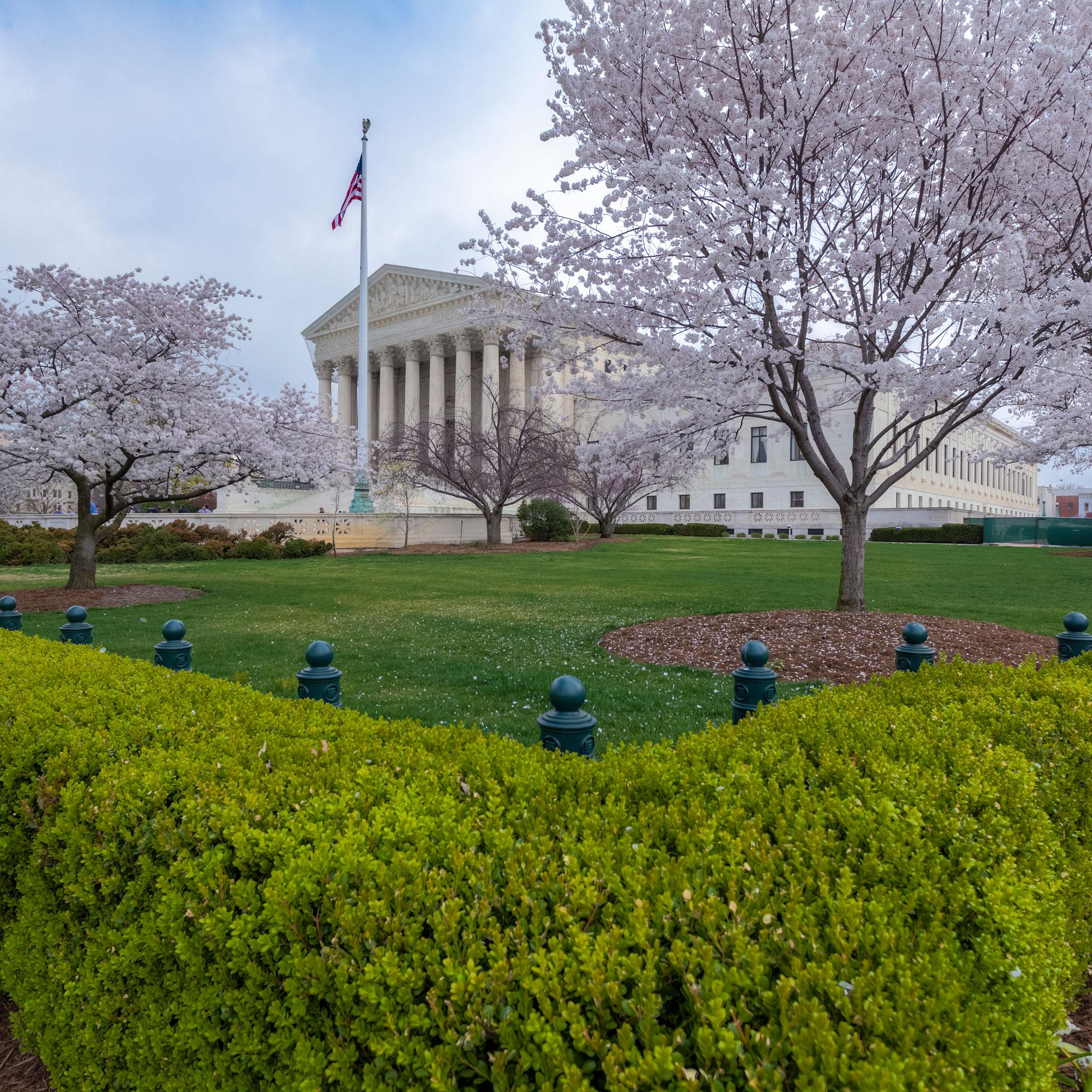
A current example is the Supreme Court dispute over DOGE-related FOIA discovery, docket No. 25-1103. That litigation tests the permissible scope of discovery and related executive-branch concerns while the underlying question of FOIA coverage remains contested.
Read our separate article: DOGE Records at the Supreme Court: What the Justices Agreed to Decide. Case File 002 will maintain the procedural record and linked court documents.
What is established, and what still needs receipts?

Established by primary executive orders: USDS's renaming and Executive Office placement, the temporary organization's specified sunset, agency DOGE Teams and the administration's announced technology, workforce and cost-efficiency initiatives.
Requires agency-level confirmation: Whether a specific contract or grant ended, a particular staff action occurred, a system changed or a savings estimate reflects a real reduction in spending.
Requires independent outcome evidence: Net taxpayer savings, lasting operational improvement, service quality, compliance effects and downstream costs.
Requires legal findings: The outcome of contested FOIA, privacy, employment and other lawsuits. These should never be collapsed into a single claim that everything DOGE did was lawful or unlawful.
The question worth asking
DOGE should be judged neither by branding alone nor by sweeping headlines about its success or failure.
The stronger standard is straightforward: What authority was used, what action actually happened, and what measurable result followed?
That is the difference between an efficiency agenda and a verified efficiency outcome.
The Receipts
The sources below are the records this article relies on. Open them directly and check what they establish for yourself.
Primary record / executive order
Executive Order 14158 — Establishing and Implementing the President's DOGE
Establishes the U.S. DOGE Service structure, temporary organization and agency teams; does not independently establish net savings.
Establishes the U.S. DOGE Service structure, temporary organization and agency teams; does not independently establish net savings.
Primary record / executive order
DOGE Workforce Optimization Initiative — February 11, 2025
Sets workforce optimization directives; individual agency implementation and outcomes require separate records.
Sets workforce optimization directives; individual agency implementation and outcomes require separate records.
Primary record / executive order
DOGE Regulatory Initiative — February 19, 2025
Directs agency review of regulations; does not on its own establish effects.
Directs agency review of regulations; does not on its own establish effects.
Primary record / executive order
DOGE Cost Efficiency Initiative — February 26, 2025
Directs reviews of contracts, grants and agency expenditures; distinct from audited net savings.
Directs reviews of contracts, grants and agency expenditures; distinct from audited net savings.
EXPLORE THIS TOPIC

Government & Accountability
Public power, institutional oversight, records, and measurable accountability.
Explore Government & Accountability →
Civic Literacy
Clear explanations of public institutions, government processes, and civic responsibilities.
Explore Civic Literacy →Related Reading


Comments